News · Journal
How to become a fashion model with no experience
You can become a fashion model with no experience. Fashion agencies sign new faces from plain, honest photos, not from a CV or a portfolio. FACES by TDA is the fashion and editorial board of The Diversity Agency, a London model agency founded in 2016, and applying costs nothing. This guide covers what a fashion board looks for in someone new, how to take the photos, and what happens after you sign.
The short version
- Check the basics. Fashion models usually start young, and runway work has fixed sample sizes. Editorial and campaign work is wider.
- Take digitals at home. Daylight, a plain wall, fitted clothes, no make-up and no filters.
- Apply to boards that suit you. Look at who an agency already represents before you send anything.
- Do not pay for a portfolio first. A real agency builds your book after you sign.
- Be easy to work with. Reply quickly, follow instructions and turn up on time.
What a fashion board looks for when you have no experience
Nobody on our side is reading a CV. Marcus Flemmings, founder and head booker of The Diversity Agency, says the first things he checks on an application are location and age, which tell him where a model would sit on our boards, and then the look: "Are they going to fit our book? Do they look too similar to anyone we currently have?" A face that resembles someone already getting a lot of work can count in your favour.
A fashion board is smaller and more edited than a commercial one. We explain the difference in fashion model agencies in London, and Marcus answers the height, age and size questions in full in model requirements.
Age and height in fashion
Fashion is the one area where age works differently. "If you're a fashion model, the idea is that you start when you're about 16, 17 or 18," Marcus says. Outside fashion, he calls the idea that it is ever too late "a bit of a myth".
Height matters most on the runway, because a designer's samples are made to fixed measurements before the show is cast. Our guide to becoming a runway model explains why. Editorial and campaign work leans on the look, and commercial work is wider still. If you are outside the fashion bands, The Diversity Agency's commercial board books every age, height and size.
How to take digitals at home
Digitals are the only photos you need to apply. Marcus describes them simply: "A good model digital is shot in good daylight. Stand in front of a window, get your phone, put it on a tripod or a windowsill and self-shoot." A friend or family member can take them instead. "It doesn't need to be anything particularly special. From there, an agent can make a decision."
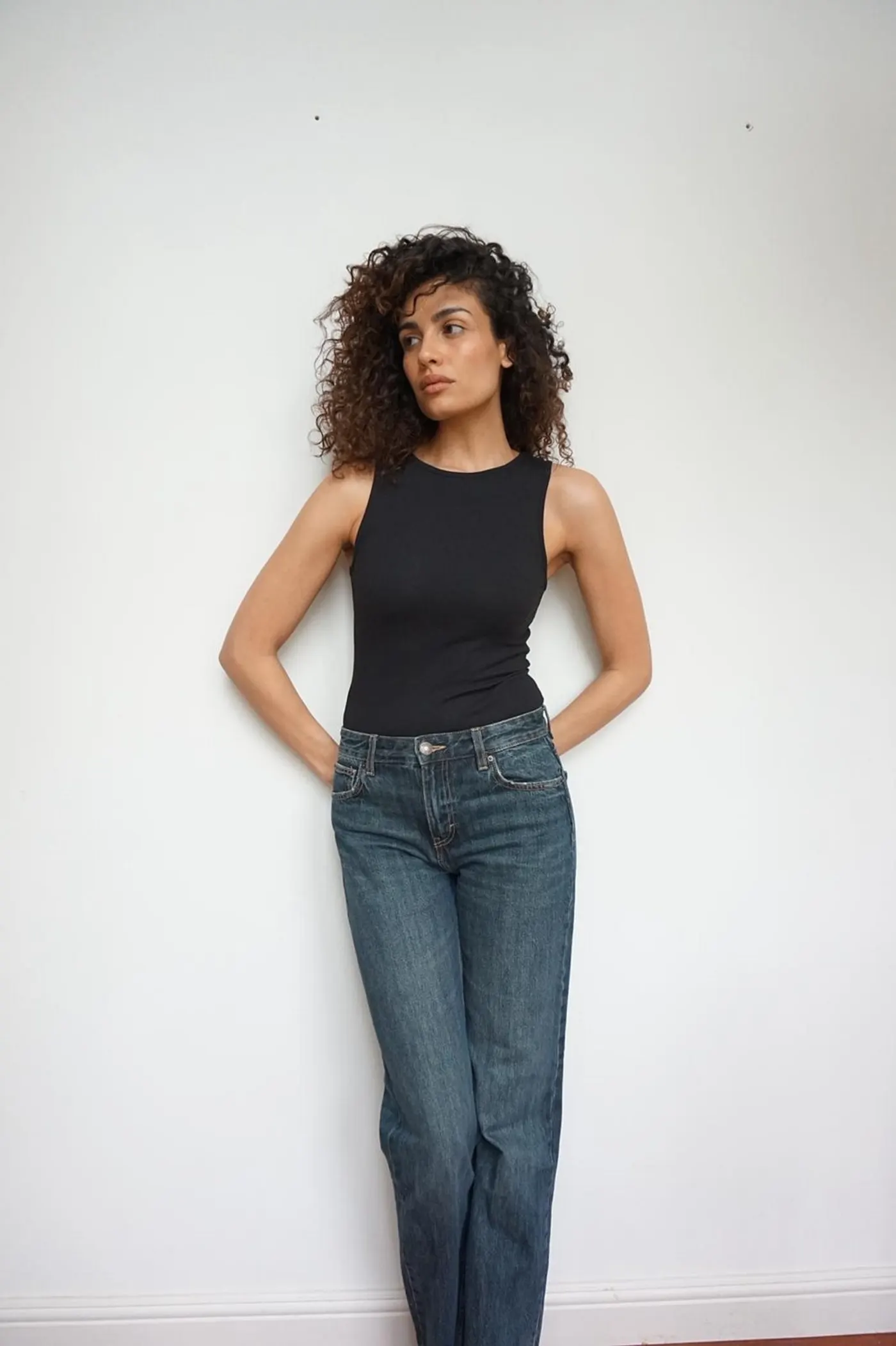
- Face the window in daytime. No ring light and no overhead bulbs.
- Use a plain wall as the background.
- Wear something fitted and simple, such as a vest top and jeans.
- Take a headshot, a smiling headshot, a profile and full-length shots from the front, side and back.
- Turn off beauty mode, filters and editing.
The mistakes that get applications skipped
Asked about the most common mistake, Marcus names three: "Sending the same picture three times. Or sending pictures that are badly lit, or not following the instructions." Each agency's form asks for something slightly different, so read it before you upload.
Do not pay for a portfolio first
Paying for a shoot before you have an agency gets the order wrong. Bookers need to see what you look like on an ordinary day, so they will ask for digitals whatever else you send. A genuine agency earns commission when you work and does not charge you to join. If someone asks for money up front, read our scam warning first.
What happens after you sign
Once you are signed, the agency builds your book with you, usually through test shoots it arranges, and adds your best pictures as real jobs come in. Our guides to building a fashion model portfolio and comp cards cover that stage.
What keeps you on the board
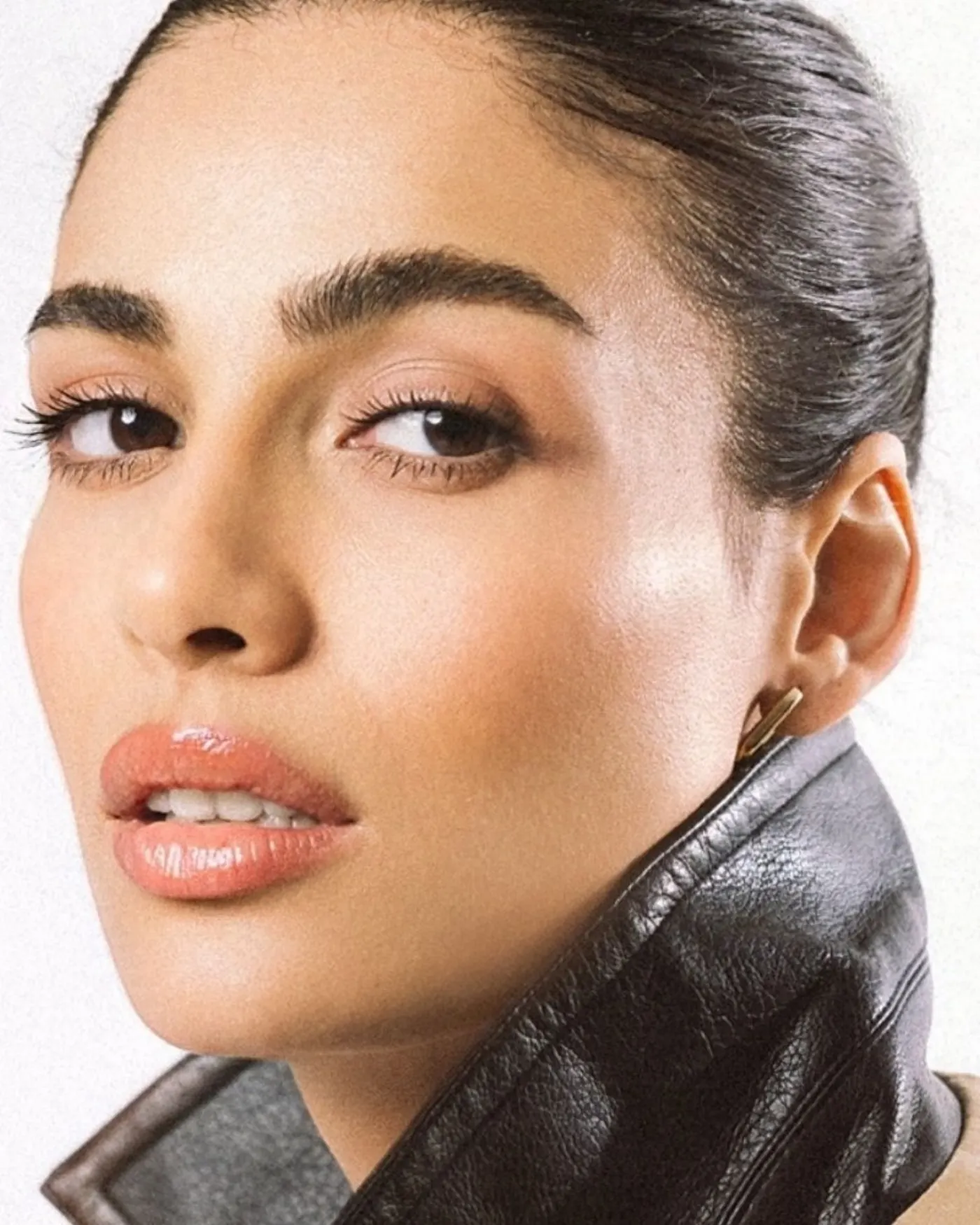
Experience comes with the work. What a booker cannot teach is attitude. When Marcus meets someone new he looks for "a willingness to learn, a willingness to listen, a willingness to grow", and someone who is patient. On what gets a model dropped he is direct: poor communication, slow replies, unavailability and lateness. "For me, if you're late for jobs twice, you're gone."
If you are turned down
"A lot of the models on our books have, at one point or another, been turned down, and they've gone on to do great things," Marcus says. "There's only what happens in the moment, and the moment is temporary." Wait a few months, take new digitals and try again.
Apply to FACES by TDA
Look at the FACES board, and if you can see yourself on it, apply to the board. It is free. For commercial modelling with no experience, read The Diversity Agency's guide to getting into modelling with no experience, then how to get signed by a model agency in London. If you act as well, what acting agents look for covers the acting side, and how to become a hand model covers parts work.
Questions
Can you become a fashion model with no experience?
Yes. Fashion agencies sign new faces from plain, honest photos. You do not need a portfolio, training or previous jobs to apply to FACES by TDA.
Do I need to pay for photos before I apply?
No. Apply with digitals taken on a phone in daylight. A genuine agency builds your book after you sign and does not charge you to join.
What age do fashion models start?
Marcus Flemmings, our head booker, says fashion models usually start at about 16, 17 or 18. Commercial modelling has no such limit.
Do I need to be tall to be a fashion model?
For runway, yes: samples are made to fixed measurements. For editorial and campaign work the look matters more, and for commercial work height is not a big factor.
How long does an agency take to reply?
It varies. If you hear nothing, wait a few months and apply again with new digitals rather than sending the same pictures again.